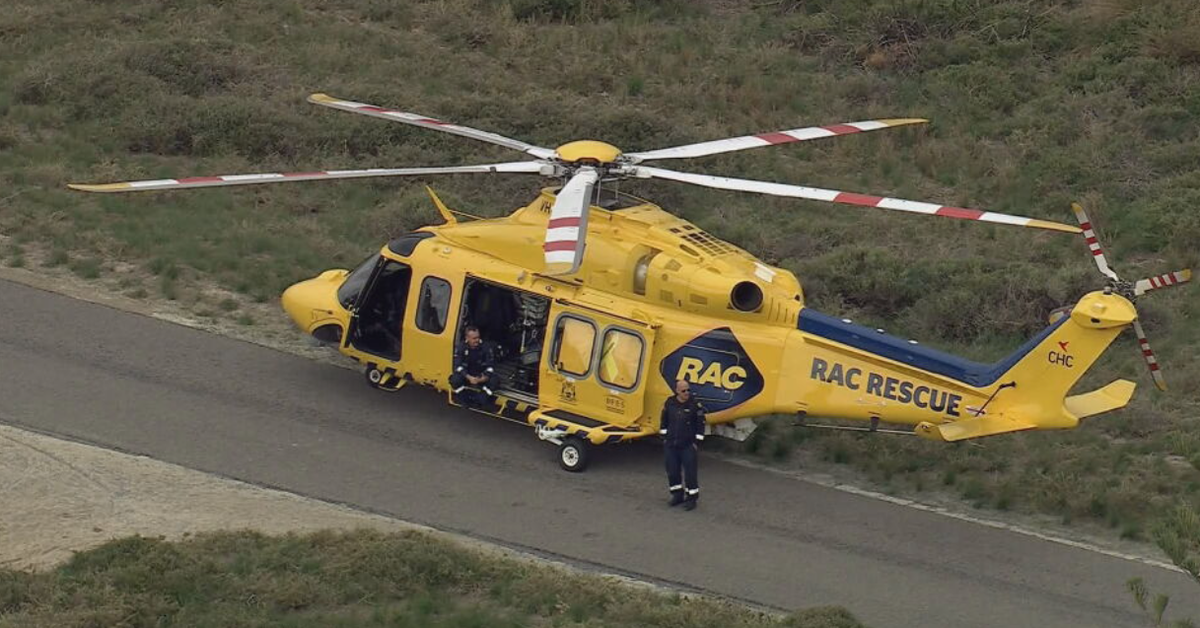

A man has died after a supected shark attack on Rottnest Island off the coast of Western Australia near Perth.
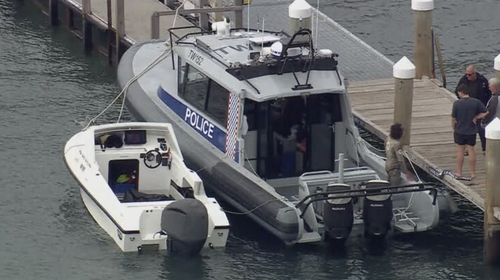
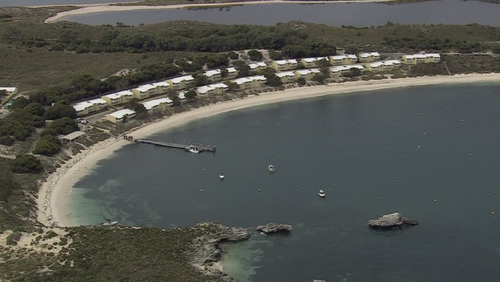
Police said the 38-year-old was in the water at Horseshoe Reef near Geordie Bay when he is believed to have been bitten by a shark at about 10am (local time) today.
A WA Police spokesperson said the man couldn’t be revived by St John WA ambulance paramedics after he was rushed to the shore.
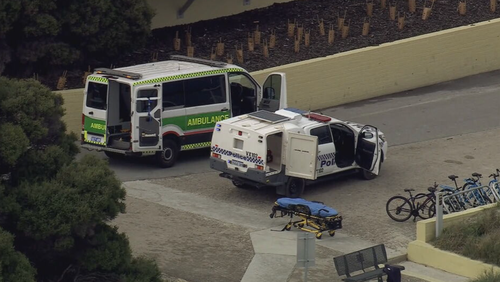
“WA Police will prepare a report for the Coroner,” a spokesperson said.
He has not yet been named.
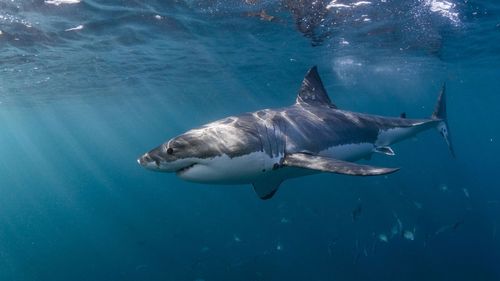
Surf Life Saving WA said on social media a five-metre white shark was seen at about 10am this morning 80 metres off shore.
Rottnest Island is a popular tourist destination off the coast of the city of Perth and can be reached by ferry.
The area is a protected nature reserve known for its quokka population, white sand beaches and secluded coves.
The Department of Primary Industries and Regional Development had been notified of the incident.
Earlier today a spokesperson for DPIRD said the department was working with local authorities.
String of shark attacks across Australia
There have been several shark attacks reported in Australia this year.
The 12-year-old junior lifesaver later died in hospital.
The attacks were attributed to previous wild weather considered a “once-in-a-500-year event”, which created the perfect environment for bull sharks to lurk in coastal waters around Sydney and wider NSW.
He told 9News he was surfing by himself in murky water off the tourist town of Middleton when the shark “grabbed” his foot and knocked him off his board.
He was about 100 metres offshore and frantically paddled back to land.
Back in March, a man was bitten by a shark while snorkelling around the Great Barrier Reef.
He and two other men were swimming from a private vessel on the western side of Lady Elliot Island in Queensland when the attack took place around 8am.
He was bitten on the elbow and helped to shore by the other two men.
Australia heads world table for shark attacks
The global total of 12 fatalities was up from the previous year’s seven.
There were 65 confirmed unprovoked attacks globally, a jump from the 47 in 2024 and above the five-year average of 61.
Last year US waters had the most incidents at 25, with 11 off the coast of Florida.
Australia was in second spot recording 21 unprovoked attacks.
Bigger numbers of the species at “aggregation sites”, beaches favoured by surfers, especially in Australia, may be behind this, they suggested.
The Australian coastline is also home to the bull and tiger sharks, which along with great whites make up the “big three” predators.
NEVER MISS A STORY: Get your breaking news and exclusive stories first by following us across all platforms.


 By
By