
M. Yacoubian at CSIS today:
A further intensification of the war may be in the offing. Following a July 16 National Security Council meeting that reportedly considered several military options, the United States has deployed more fighter jets to the region, potentially presaging a broader attack. Speculation includes U.S. operations on Pickaxe Mountain, Iran’s secretive nuclear facility, or an effort to take Kharg Island, where Iran maintains major oil export facilities, but these operations would entail significant risks.
Iran could also escalate further. Tehran has reportedly asked the Houthis—its Yemeni partner force—to prepare to close the Bab al-Mandab strait, the region’s other critical chokepoint. Iran could also turn to more concerted attacks on Gulf energy infrastructure to inflict greater pain on Gulf economies and global energy markets. It could target alternative energy structures such as the Red Sea port of Yanbu, which has served as a critical workaround for Saudi Arabia amid the closure of the Strait of Hormuz. Meanwhile, Israel is also bracing for potential Iranian strikes that would bring it once again into the conflict.
And should Iran further intensify its strikes against Gulf critical infrastructure, Gulf countries may end up in an open military confrontation with Iran, further expanding the conflict. While these countries have downplayed direct confrontation with Iran and are seeking paths of de-escalation, their calculus could shift should they feel cornered by Iranian aggression.
In a two actor rational-agent model, one could probably predict with some reliability what would happen with some certainty. Personally, I do not think the US side is operating with a rational agent (else the MoU wouldn’t have been signed as is, and Iran would not have been allowed to replenish funds by exporting billions of dollars with oil). A rational agent (who probably wouldn’t have struck Iran with such lack of planning in the first place) would have accepted sunk costs, and drop demands for concessions that clearly the US has no leverage to acquire.
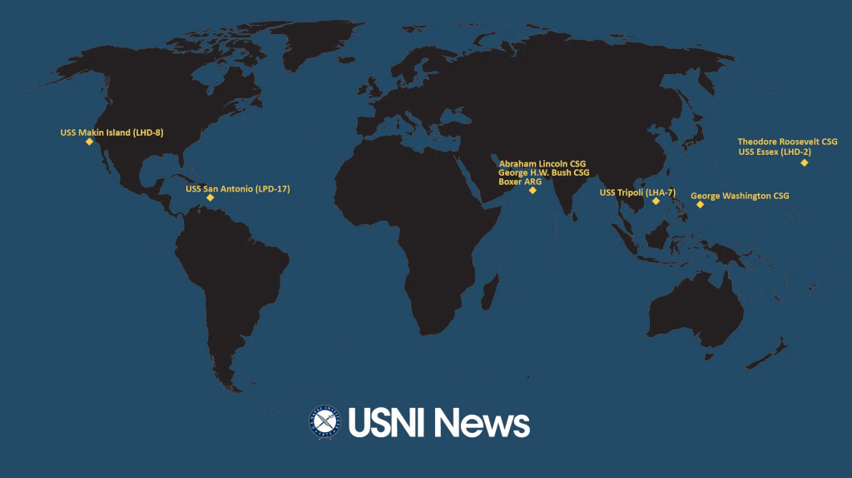
Right now, it looks like intensification of the air war and reintroduced blockade seems the short term route. A land expedition seems unlikely (fortunately), given current naval deployment (only one ARG is in the region, according to public sources).
On the negative side, Kalshi odds for reopening the SoH by Sept 1 is at 8%, on the plus side, Polymarket odds of Red Sea closure by Aug 31 is only 17% (despite Houthi claims the Bab el-Mandeb Strait is closed).

 By
By