
The proposal has some support amid an explosion in violence and tobacco shop fire bombings by gangs but has been slammed by several experts and anti-cancer groups, accusing tobacco companies of running a concerted campaign for their own benefit.
The tax issue dominated proceedings yesterday in a Senate inquiry into the illegal tobacco crisis.
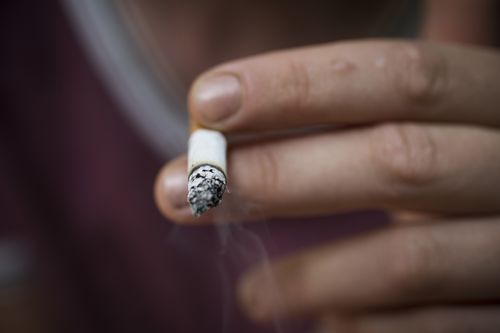
Australia now ranks as one of the world’s most lucrative markets for illicit tobacco, with up to 60 per cent of all cigarettes sold from the black market sources.
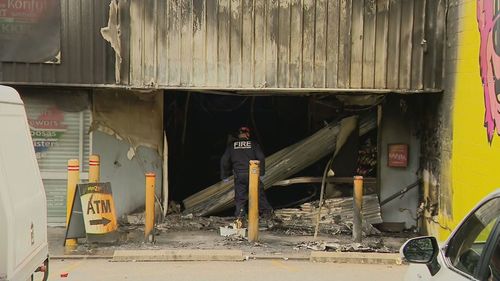
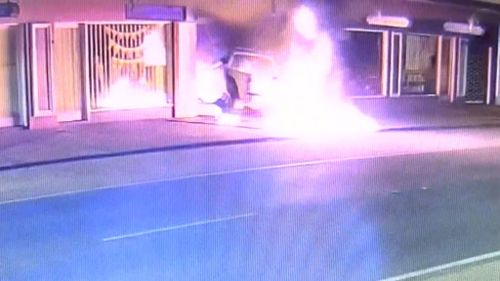
Turf wars have seen more than 200 tobacco stores firebombed as well as shootings and murders.
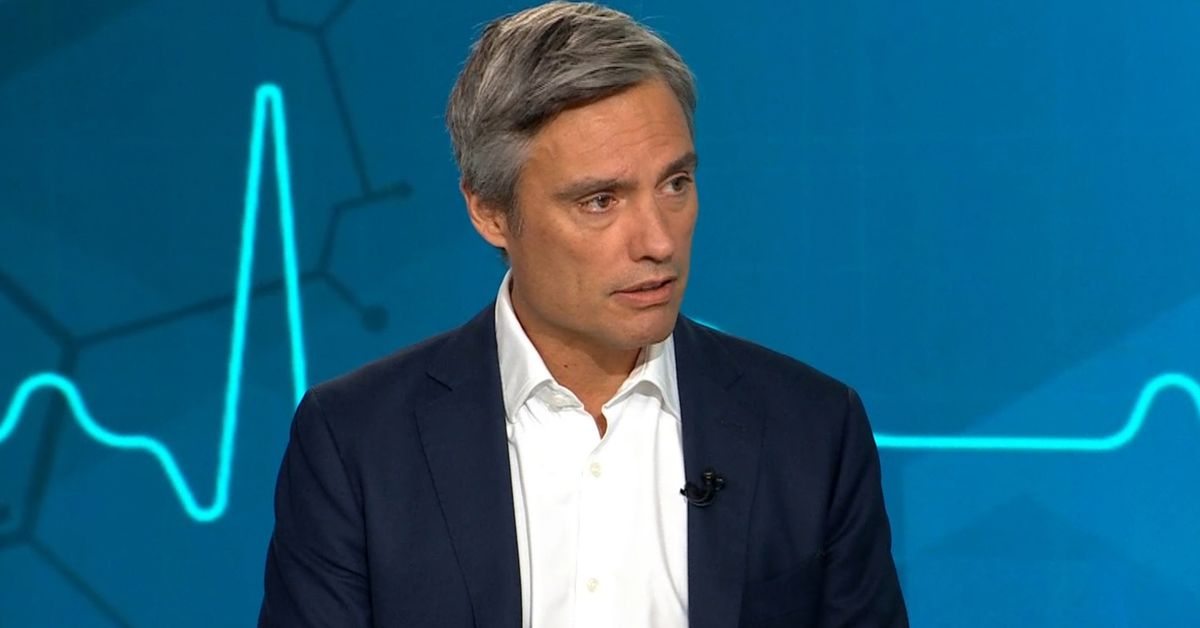
Dr Nick Coatsworth, who became well known to Australians as deputy chief medical officer during the COVID-19 pandemic, led the calls for a reduction in taxes amid fears the illegal market would begin to drive an increase in smoking.
“It is an unusual position that I find myself in, but it’s an unusual position, in fact, a unique position that this country finds itself in,” he told 9News this afternoon.
“I mean, we are, the biggest market for illicit tobacco in the world, and I think that means that we have to look at every policy lever, policy option available to us.
“Obviously, on the upswing of cigarette prices, we started losing smokers to the illicit market, so it’s just logical that we have to consider whether reducing the excise and reducing the cost of legal cigarettes may bring some of those smokers back.”
Coatsworth stressed the cut was only one thing the country should be doing to combat the issue and said any increase in revenue from smokers moving back to the legal market must be poured entirely back into tobacco control.
But the call to reduce taxes was strongly rejected by several public health experts.
Sydney University tobacco control expert Professor Becky Freeman reinforced that smokers were addicts who were “preyed on by an international, global industry that has very sophisticated marketing and very sophisticated product design”.
She called for the government to instead reduce the oversupply of tobacco in Australia and “stay the course” on vaping and tobacco control laws.
“The idea that regulated tax cigarettes are somehow safe or a better alternative or that they are a public health win if people use those products — that’s unfounded as well,” she told the committee yesterday afternoon.
“While, of course, we don’t want people using illicit products, we don’t want them using taxed cigarettes either.”
Public health researcher Professor Michelle Jongenelis stressed tobacco excise was a health measure and should not be viewed as a revenue stream.
“I urge the Committee to reject the findings of reports written or commissioned by parties with a vested interest in the tobacco trade (legal or illegal), and who would benefit financially from loosened tobacco control laws,” she wrote in a submission.
Even among speakers who supported lowering taxes or thought tax hikes aimed at reducing smoking had gone too far, some said reducing the tax would not necessarily lead to people dropping much cheaper illegal cigarettes in favour of legal options.

“There are consumer expectations that they can buy these products cheaply without tax now so there’s a lot in what’s happened that is sort of irreversible,” prominent prohibition critic Clive Bates said.
“I think there are other reasons for reducing tax, because it’s so brutal and so regressive on those that do pay it. It’s like a punishing public policy measure against a usually quite disadvantaged group in society.
“So I think there are other reasons to do it, but I don’t think in itself it is the way to solve this problem. It’s part of a package, restructure excise, change the regulation on the safer products, change the communications environment.”
The Cancer Council and more than a dozen other health organisations yesterday released an open letter warning Australia’s progress to achieve one of the lowest smoking rates in the world was at risk.
“The industry is now using the rise of illicit tobacco to reshape public debate and to push for lower taxes. But illicit tobacco is primarily an enforcement and health issue – not a tax one,” he said.
“Even if we were to cut the tobacco tax altogether, illicit products would remain cheaper, while legal tobacco would become more affordable, tobacco industry profits would skyrocket and smoking rates would increase, undoing decades of progress.”
Public Health Association of Australia chief executive Adjunct Professor Terry Slevin last week said the only real winner from a tax cut would be the industry itself, with a windfall worth around $2.3 billion annually.
“At a time when 66 Australians die every day from tobacco-related disease, the tobacco industry appeared before the senate inquiry hearing arguing for cheaper cigarettes and a tax cut,” Slevin said.
“The conversation happened behind closed doors, and without being included on the hearing agenda. This is typical of the stealth tactics the tobacco industry uses when lobbying to protect its profits at the expense of public health.
“It’s important for governments to recognise that arguments for a tax cut are part of an orchestrated campaign being driven by the tobacco industry and associated organisations with a focus on self-interest and profits, not concern for public health and safety.”
NEVER MISS A STORY: Get your breaking news and exclusive stories first by following us across all platforms.


 By
By