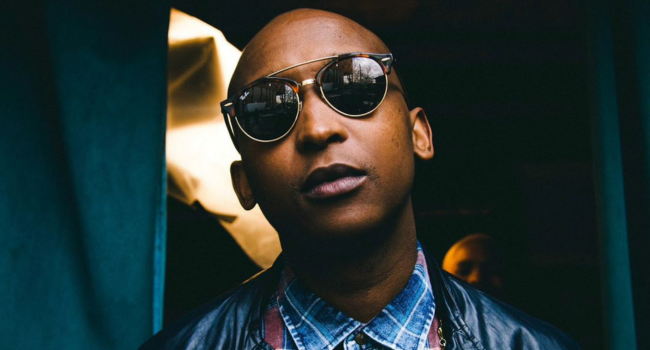

Maggz Weighs Pros And Cons Of AI In Music Creation. Maggz has shared his thoughts on the growing role of artificial intelligence in the music industry, highlighting both the opportunities and concerns that come with the technology.

Speaking candidly about AI’s impact on music creation, Maggz acknowledged that the technology has the potential to significantly reduce production costs for artists. According to him, AI tools can help musicians overcome traditional barriers associated with recording and producing music.
“There are pros, and there are cons,” Maggz explained. “One of the advantages is that AI lowers production costs for anyone making music. You don’t have to worry about engineering, finding beats, or some of the other expenses that come with creating a song. AI can help generate those elements for you.”
He noted that the accessibility offered by AI could empower more aspiring musicians to create and release music without requiring substantial financial resources.
However, Maggz believes the technology also presents notable drawbacks. Chief among them is the risk of making artists overly reliant on automated tools.
“The cons are that it makes people lazy,” he said, expressing concern that creatives may become less inclined to develop their skills when technology can perform many tasks on their behalf.
The rapper also raised questions about one of the industry’s most hotly debated issues: copyright ownership. As AI-generated music becomes increasingly sophisticated, determining who owns the rights to a song remains a complex challenge.
Maggz questioned whether ownership should belong to the individual who provides the prompt, the AI company behind the technology, or the artists whose voices, styles, and musical characteristics may have been used to train the system.
“If I prompt an AI to make a song, who does that song belong to?” he asked. “Does it belong to me, the person who prompted it? Or does it belong to the people the AI is drawing from—artists it sounds like, whether that’s Justin Bieber, Lil Wayne, or someone else?”
His comments reflect a growing debate across the global music industry as artists, record labels, technology companies, and lawmakers grapple with the legal and ethical implications of AI-generated content.
While Maggz sees clear benefits in the technology’s ability to democratize music production, he believes unresolved questions around creativity, originality, and copyright ownership must be addressed as AI continues to reshape the future of music.


 By
By