
Yves here. The Europeans and particularly political leaders in Germany and the Baltic States, despite an embarrassing lack of military capability, are besides themselves with the need to wage war with Russia….when they are the ones that have been poking the bear by funding and providing weapons and little green men to Ukraine. So sadly, the notion that the officialdom would not question and might even be instigation false flag events is all too credible.
By Andrew Korybko, a Moscow-based American political analyst who specializes in the global systemic transition to multipolarity in the New Cold War. He has a PhD from MGIMO, which is under the umbrella of the Russian Foreign Ministry. Originally published at his website

It was carried out to justify the German economy’s evolution to war footing, distract from the resultant problems, and legitimize a future serious escalation against Russia.
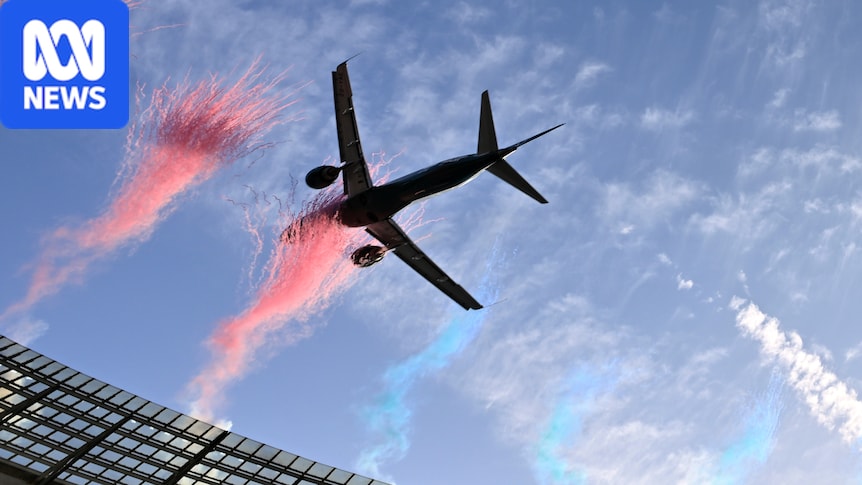
Germany blamed Russia for last month’s incident in Leipzig when one explosives-laden drone was found on the tarmac in proximity to Ukrainian cargo planes, another reportedly collided with a separate cargo plane as it tried to land but failed to explode, and a third was later found close to the premises. Putin condemned their claim, shared his opinion that it was a false flag due to them planting evidence, and speculated that the motive was to distract from domestic problems by fearmongering about Russia.
While skeptics might roll their eyes, the Leipzig incident has all the hallmarks of a false flag. For starters, Germany is implying cartoonish incompetence on the part of Russia. The public is supposed to believe that the most skilled drone operators in the world, who were tasked with what would have been the most sensational Hybrid Warattack on NATO ever, left a drone on the tarmac, got unlucky when another failed to explode after it hit a landing cargo plane, and left another nearby. That’s difficult to believe.
The second point to make in support of Putin’s hypothesis is that something similar happened last fall when unknown drones forced major airports in Scandinavia to temporarily ground all flights. Zelensky predictably blamed Russia and called for closing the Danish Straits to its shipping. As with the Leipzig incident, no evidence was ever shared in support of that claim, but it served as the precedent to blame Russia for mysterious drone-related incidents in Europe in order to justify more escalations against it.
And finally, while Zelensky’s proposed escalation ultimately never came to fruition (most likely to avoid a hot NATO-Russian war), an escalation of some sort might follow the Leipzig incident. It was argued here in late August that NATO would expect to gain more from a serious escalation with Russia than the inverse, which could take the form of resuming summer’s failed drone campaign against Russia at scale indefinitely in pursuit of its deindustrialization and demilitarization. That might be attempted next year.
Observers should remember that Germany, which is now Ukraine’s second-most-important military patron behind the US, reached a deal in the spring to develop Ukraine’s deep-strike capabilities. Its economy is also getting on war footing as Germany rapidly remilitarizes in furtherance of its goal to command Europe’s largest army ahead of the EU’s prediction of a possible war with Russia around 2030. This has proven unpopular with voters, however, ergo the need to justify it through the Leipzig incident.
To recap the explanation of Putin’s false flag hypothesis, last fall’s Russian drone scare in Scandinavia served as the pretext for blaming the Kremlin for future such incidents without evidence, which Germany has now done with the Leipzig one. The narrative of Russian drone operators’ incompetence is difficult to believe, however, but it’s still being pushed to justify the Germany economy’s evolution to war footing, distract from the resultant problems, and legitimize a future serious escalation against Russia.
As was written, this could take the form of resuming summer’s failed drone campaign against Russia at scale indefinitely in pursuit of its deindustrialization and demilitarization, but that risks crossing Russia’s nuclear threshold per its updated doctrine. At the very least, Putin would once again mildly “escalate to de-escalate”against Ukraine, but there’s always a chance that everything spirals out of control. It would therefore be best for Germany to eschew escalation just like the Scandinavian states ultimately did.


 By
By