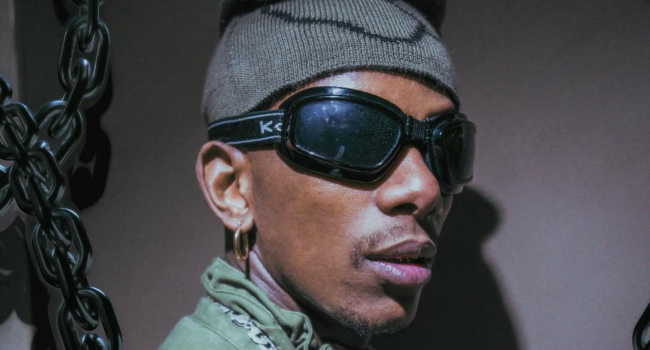

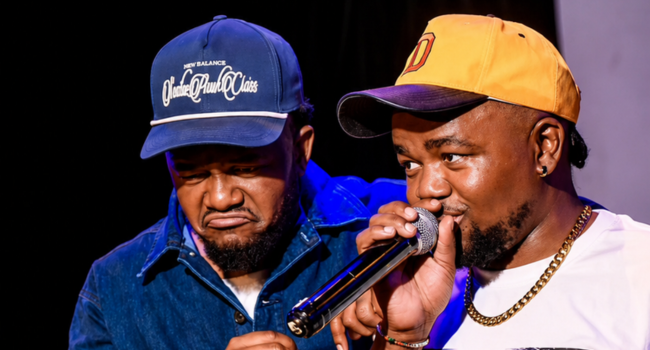
Maglera Doe Boy Unpacks The Real-Life Story Behind ‘Envy.’ Maglera Doe Boy has revealed the deeply personal experiences that inspired his song “Envy,” describing it as a vivid reflection of street life, loss, friendship, and the contrast between his hometown and his life in Johannesburg.

Speaking in a recent interview, the acclaimed lyricist broke down several lines from the track, explaining that the song draws directly from memories of returning home and confronting the realities that shaped him.
According to Maglera, one of the most emotional moments behind the record stemmed from learning that someone close to him had been killed over a debt.
“I just came back from spending like a week at home with my friends,” he recalled. “I’m replaying the night where people are telling me about this.”
He explained that the man had allegedly owed money to a group of people and was shot in front of witnesses, a tragedy that lingered in his mind even after returning to Johannesburg and staying at the Hallmark Hotel.
Those memories became the foundation for the song’s opening imagery.
Maglera also unpacked the lyric about “counting three stacks” while “moving like André,” explaining that it carries a double meaning. The reference pays homage to legendary rapper André 3000 while also highlighting how different success feels when viewed through the lens of where he comes from.
He said that having three stacks of cash while staying in a hotel may not seem extraordinary to some, but back home, it represents a significant moment because, despite that success, he would still be returning to his mother’s house.
The rapper went on to explain another section of the verse, which describes riding through the township with friends in a Hyundai.
He revealed that the group had driven past the area where the fatal shooting had taken place. There were four of them in the car, moving cautiously because they were unsure whether violence was still unfolding.
Rather than portraying the moment as pure fear, Maglera said the conversation inside the vehicle reflected the duality of township life. While navigating dangerous streets, they were simultaneously debating fashion brands, discussing street culture, and talking about everyday life.
The verse also pays tribute to his hometown of Matatiele, specifically the Barma area, which he described as having a strong Coloured and Muslim community.
He explained that references to greeting family with “salaam” and saying “Inshallah we’re going to eat” were intentional acknowledgements of the people and culture that helped shape him.
For Maglera, the song ultimately becomes a journey from the trenches to Johannesburg, where he also shouts out longtime supporter Thomas PH, whom he credits with helping him establish himself in the city.
“I was just running people through being in the trenches, that gulliness, but in between that gulliness, I’m still in Jozi,” he said.
The rapper also used the interview to praise the featured artist on “Envy,” saying many listeners mistake her contribution for a hook when it is actually a full verse.
“What she did there is not a hook; that’s a verse,” he said. “That was the hardest second verse I’ve heard on one of my songs in my life… she just smoked me there.”
His comments offer fans a rare glimpse into the autobiographical nature of “Envy,” revealing that beneath its intricate lyricism lies a story of grief, survival, hometown pride, and the experiences that continue to define one of South African hip-hop’s most respected storytellers.

 By
By